

It’s Colorectal Cancer Awareness Month: Are You Due for a Spring Screening?
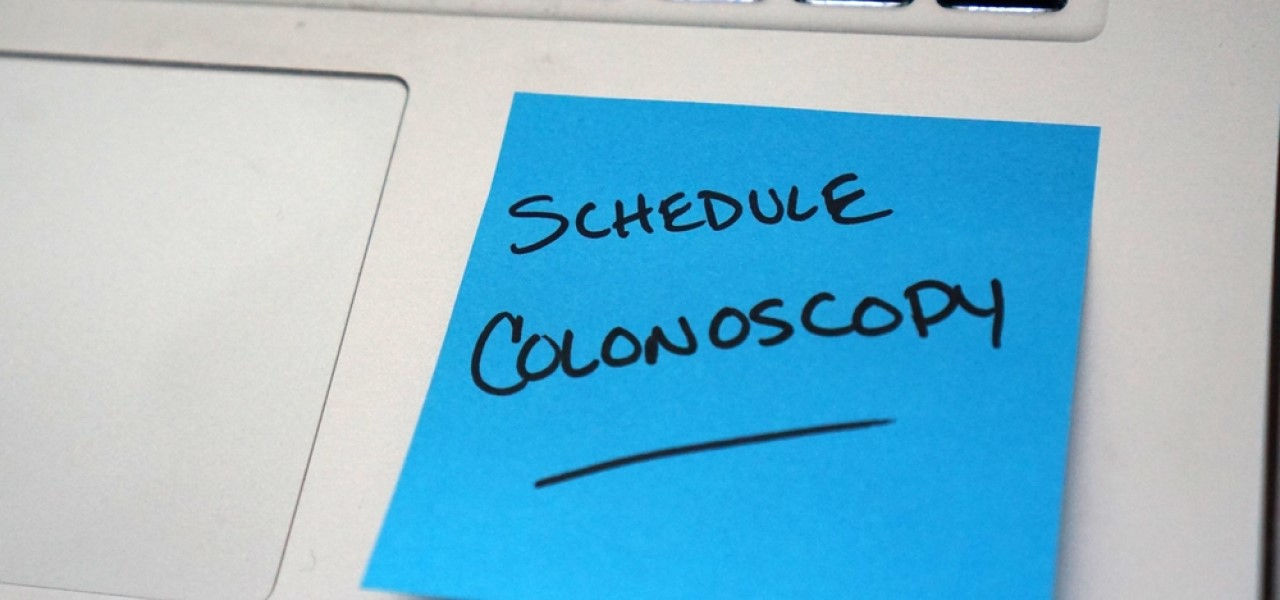
Spring is a season of renewal – and a perfect time to check in on your health. During National Colorectal Cancer Awareness Month, we shine a spotlight on one of the most preventable yet still too common cancers in the United States.
Colorectal cancer is the second-leading cause of cancer-related deaths in the U.S., affecting roughly 1 in 25 adults over a lifetime. The good news is that it’s also one of the most detectable and treatable cancers when caught early. Many cases can even be prevented altogether through routine screenings that identify and remove precancerous polyps before they become dangerous.
Each March, Colorectal Cancer Awareness Month encourages all of us to understand our risk and know when to get screened.
Why Screening Matters and When to Start
Colorectal cancer often develops silently. Early stages rarely cause symptoms, which is why screening is essential. The U.S. Preventive Services Task Force recommends screening beginning at age 45 for adults at average risk. If you have a family history of colorectal cancer or other risk factors, your provider may recommend starting earlier.
Types of Screenings
Colonoscopy: The Gold Standard
A colonoscopy allows a specialist to examine the entire colon using a thin, flexible camera. During the procedure, the physician can remove polyps or take biopsies immediately – making it both a diagnostic and preventive tool. For most people at average risk, a colonoscopy is recommended every 10 years.
Stool-Based Tests: Convenient, At-Home Options
If a colonoscopy isn’t the right first step for you, several non-invasive tests can be done at home. These include:
- Tests that detect certain markers in stool samples
- Tests that look for hidden blood in the stool
These options are convenient and do not require sedation or bowel preparation. However, if any of these tests show abnormal results, a follow-up colonoscopy is typically recommended to gather more information.
Screening – no matter which method you choose – is a powerful tool for early detection.
Healthy Habits That Support Colon Health
You can also take steps of your own that help prevent colon issues altogether. While no lifestyle change can eliminate risk entirely, certain habits significantly reduce the likelihood of developing colorectal cancer. These include:
- Avoiding tobacco
- Eating a diet rich in fruits, vegetables, whole grains, and fiber
- Limiting red and processed meats
- Reducing alcohol consumption
- Staying physically active and maintaining a healthy weight
These steps support overall digestive health and help keep your colon functioning at its best.
Your Partner in Prevention
At Ennis Regional Medical Center, we’re committed to helping you stay healthy through every stage of life. Our digestive health teams provide comprehensive screening options, expert guidance, and compassionate care – whether you’re scheduling your first colonoscopy or staying on track with routine screenings.
If you’re unsure about your risk, start with our Colon Health Risk Assessment. If you already know you’re due, call 972.777.4290 to schedule your colonoscopy.
Just like you maintain your car, your home, and everything else you rely on, your colon deserves regular attention too. After 45 years or more of hard work, it’s time to give it the checkup it needs.