

Is it Flu, COVID, or RSV? How to Tell and What to Do
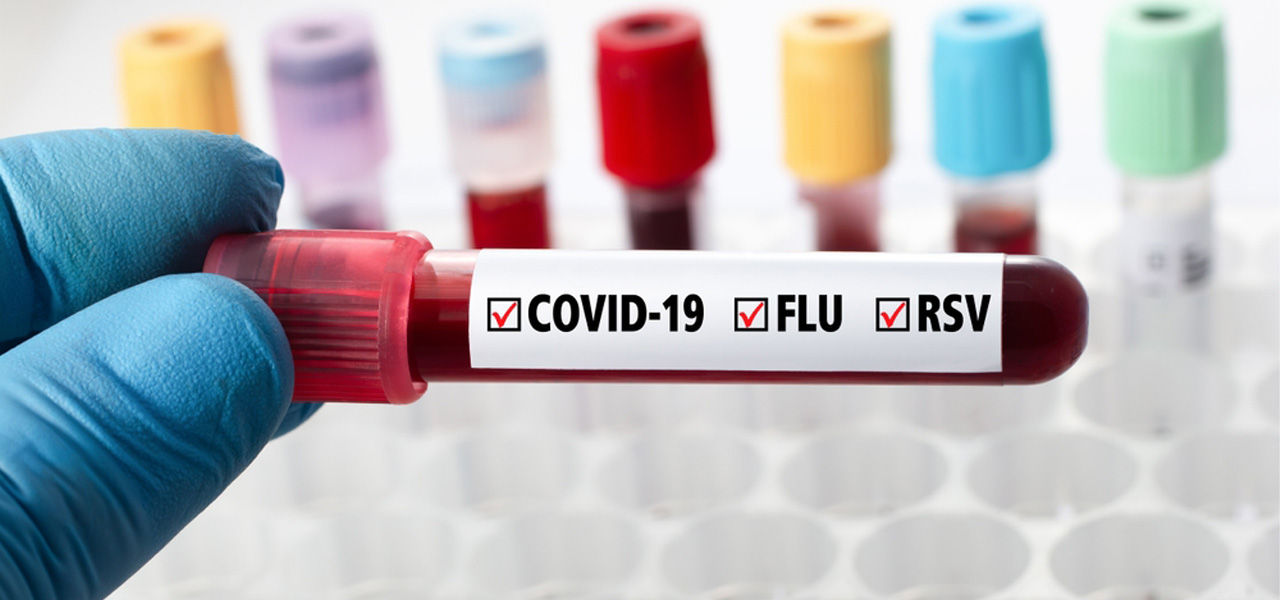
Flu, COVID-19, and RSV are three common respiratory illnesses that often circulate during the fall and winter months. While their symptoms can overlap, there are significant differences, and knowing when to seek medical care can help protect your health and the health of those around you, including your loved ones.
Understanding the Differences
Influenza or Flu
Influenza viruses cause influenza or flu, an illness typically marked by a sudden onset of symptoms that can include high fever, chills, severe body aches, headache, fatigue, dry cough, sore throat, and sometimes vomiting or diarrhea (more common in children). Important distinction: Flu tends to “hit hard and fast,” leaving you suddenly very sick.
COVID-19
With coronavirus or COVID-19, symptoms develop more gradually and include fever, cough, fatigue, headache, sore throat, congestion, diarrhea, nausea, or vomiting. Loss of taste or smell is more strongly associated with COVID-19. Important distinction: COVID-19 can affect more than the lungs, sometimes leading to gastrointestinal symptoms or long-lasting fatigue.
RSV
Respiratory Syncytial Virus (RSV) causes symptoms – such as runny nose, congestion, sneezing, cough, wheezing, decreased appetite, and fever – that can build gradually over several days. Important distinction: RSV is usually mild in healthy adults but can be serious for infants, young children, older adults, and those with weakened immune systems.
It’s essential to note that all of these respiratory illnesses are viruses and are contagious. With each, people tend to be most contagious a day or so before symptoms start and a day or two after the onset of symptoms. Some people with RSV can remain highly contagious for the duration of their symptoms.
When to Seek Professional Care
For most individuals, these viruses manifest themselves with severe, cold-like symptoms that run their course in a matter of days. For others, the viruses can lead to serious health issues. Seek medical attention right away if you or a loved one experiences:
- Trouble breathing, wheezing, or rapid breathing
- Chest pain or pressure
- Bluish lips or face
- High fever that doesn’t improve with medication
- Confusion, difficulty staying awake, or seizures
- Signs of dehydration (dry mouth, no urination for 8+ hours, few tears when crying, sunken eyes in infants)
For infants under 6 months, any fever or breathing changes should prompt a call to your pediatrician immediately.
Prevention and Protection
You can prevent and protect yourself from these viruses, and in some cases, lessen their impact. Vaccines such as annual flu shots, updated COVID-19 vaccines, and RSV vaccines (recommended for adults 60+, pregnant patients, and infants at risk) are the best protection. They can prevent or limit the severity of these virus-caused illnesses.
Healthy habits also play a vital role in protecting yourself – and not just in cold and flu season. Washing your hands often, covering coughs and sneezes (with the inside of your elbow), staying home when sick, and avoiding close contact with vulnerable individuals can help keep you and others less exposed to germs.
Our Commitment
At Ennis Medical Group, we know that flu, COVID-19, and RSV can cause worry, especially when symptoms overlap. Our team is here to provide testing, treatment, and compassionate care so you can feel confident about your health this season.
If you’re unsure whether your symptoms are flu, COVID-19, or RSV, don’t wait. Contact your primary care provider immediately. If you don’t have a primary care provider, you can find one here.